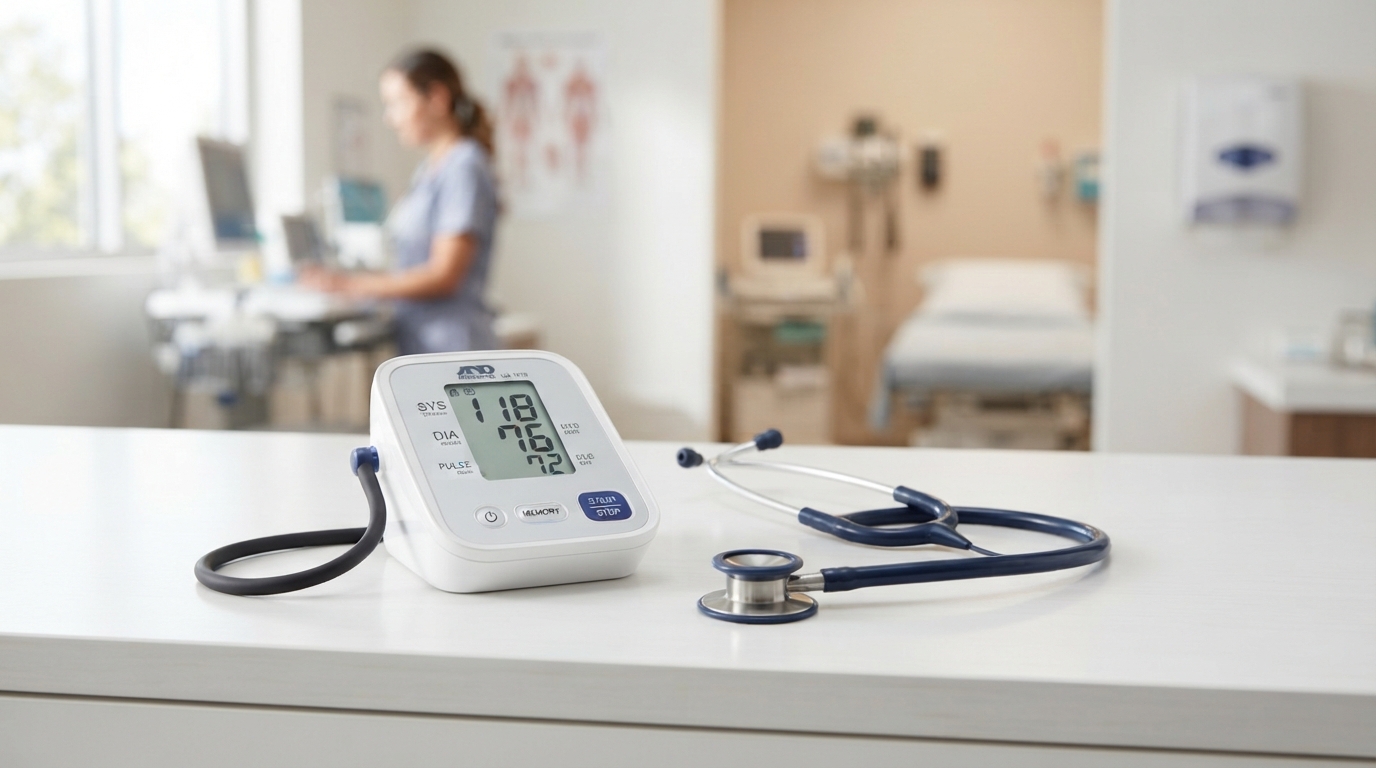
Your Future Health Starts With Today’s Insights
Discover what your body may be telling you at the cellular level and begin making more informed choices for healthier aging, wellness, and prevention.
Many health concerns develop gradually and may not produce noticeable symptoms during their early stages. A person can feel well while changes in blood pressure, blood sugar, cholesterol, nutrient levels, or other health markers are already beginning. Preventive health screening helps identify these changes early and gives adults an opportunity to take action before a condition becomes more difficult to manage.
Regular screening is an important part of preventive healthcare. It provides useful information about current health, possible risks, and areas that may need closer attention. Whether someone has existing concerns or simply wants to maintain long-term wellness, routine testing can support better and more informed health decisions.
Understanding Preventive Health Screening
Preventive health screening is the process of evaluating health risks before serious symptoms appear. It may include a review of medical history, family health patterns, lifestyle habits, physical measurements, laboratory testing, and age-appropriate assessments.
A health checkup may examine blood pressure, blood sugar, cholesterol, weight, nutrient levels, organ function, and other important markers. The specific tests included will depend on age, sex, medical history, family risks, current symptoms, and personal wellness goals.
Unlike testing that is ordered after illness develops, early disease screening focuses on recognizing possible concerns at an earlier stage. This proactive approach can give individuals more time to make lifestyle changes, receive medical guidance, or begin appropriate treatment.
Supporting Early Detection
One of the greatest benefits of adult health screening is early awareness. Conditions such as diabetes, high blood pressure, cardiovascular disease, and certain nutritional deficiencies may develop without obvious warning signs.
Routine health testing can reveal patterns that might otherwise remain unnoticed. For example, elevated blood sugar may suggest a need to improve nutrition and physical activity. Unhealthy cholesterol levels may encourage a person to review cardiovascular risks with a qualified provider.
Early detection does not always mean that a person has a disease. It may simply identify a risk that deserves monitoring or further evaluation. Finding a concern early can make it easier to create a suitable plan and reduce the chance of future complications.
Creating a Clearer Picture of Your Health
A comprehensive screening looks at multiple areas of health rather than focusing on one isolated symptom. It may combine laboratory results with information about sleep, stress, nutrition, physical activity, energy, and family history.
This wider view can help identify connections between different health concerns. Ongoing fatigue, for example, may be related to poor sleep, nutritional gaps, stress, hormonal changes, or another underlying issue.
A wellness screening can also establish a personal baseline. Future results can be compared with earlier findings to show whether health markers are improving, remaining stable, or moving in an unhealthy direction.
Encouraging Healthier Lifestyle Choices
Screening results can make wellness goals more specific. General advice such as eating better or exercising more may feel difficult to follow without a clear reason or direction.
When individuals understand their personal health risks, they can focus on the habits that matter most. A person with rising blood sugar may prioritize meal planning and regular movement. Someone with nutritional deficiencies may need guidance about food choices or appropriate supplementation.
Preventive wellness is most effective when recommendations are realistic and personalized. Small changes made consistently may have a greater long-term effect than extreme routines that are difficult to maintain.
Monitoring Changes as You Age
Health needs can change over time. Age, medications, stress, weight, activity levels, and family history can all affect the type and frequency of screening required.
An annual health screening allows adults to review these changes and update their wellness priorities. Younger adults may focus on establishing healthy baselines, while older adults may need more frequent monitoring of cardiovascular health, bone health, metabolism, or other age-related concerns.
Regular screening also gives individuals an opportunity to discuss new symptoms, medication effects, sleep changes, emotional well-being, and lifestyle challenges with a qualified professional.
Who Should Consider Preventive Screening?
Preventive screening can benefit adults of all ages, including those who currently feel healthy. It may be especially valuable for people with a family history of chronic illness, existing medical conditions, ongoing fatigue, unexplained symptoms, high stress, or major lifestyle changes.
Individuals searching for preventive health screening near me may want a more detailed understanding of their health than a basic appointment provides. Preventive screening in Georgia through Healthy Lifestyle Inc. can support personalized wellness planning based on individual health information and long-term goals.
Screening should complement regular medical care rather than replace it. Sudden, severe, or worsening symptoms require prompt medical attention.
Building a Preventive Healthcare Routine
Preventive health screening is not a one-time solution. It works best when combined with regular exercise, balanced nutrition, quality sleep, stress management, healthy relationships, and appropriate medical care.
By scheduling routine assessments and responding to changes early, adults can become more active participants in their health. Preventive healthcare provides the knowledge needed to make thoughtful choices and support a healthier future.
FAQs
Preventive health screening evaluates current health, possible risk factors, and early biological changes before serious symptoms or complications develop.
Adults should begin routine screenings based on age, medical history, lifestyle, family risks, and recommendations from qualified healthcare professionals.
Recommended tests may include blood pressure, cholesterol, blood sugar, nutrient levels, organ function, cancer screenings, and other assessments based on individual needs.
Early detection provides more time to monitor changes, improve lifestyle habits, seek medical care, and reduce the risk of serious health complications.
Many adults benefit from annual screening, but some may need more frequent testing depending on age, previous results, symptoms, medical conditions, and professional guidance.